Out-of-hospital surgery clinic standards in Ontario: what to check before you book
By Elena Moreau · Updated 2026-07-04
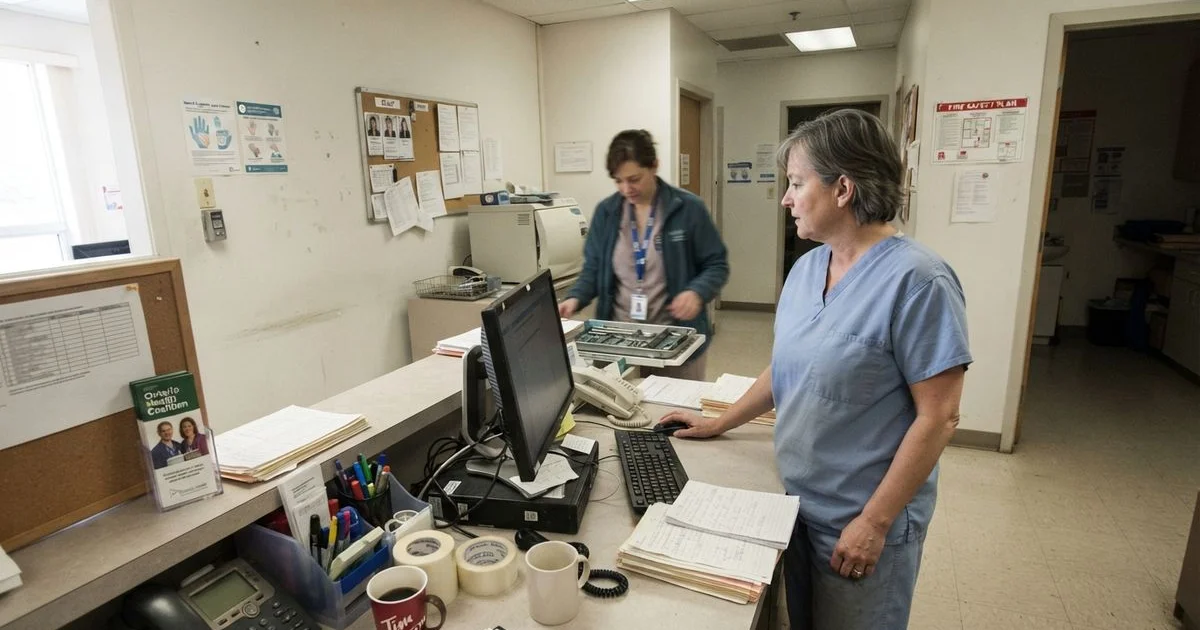
Most cosmetic surgery in Ontario, from breast augmentation to facelifts, happens in a private clinic rather than a hospital. That is normal and, when the clinic meets provincial standards, generally safe. The problem is that “clinic” covers a wide range of setups, from fully accredited surgical facilities with hospital-grade emergency protocols to spaces that should not be performing certain procedures at all.
The accreditation program that matters
Any Ontario facility performing procedures using sedation, general anesthesia, or regional anesthesia beyond a certain threshold must be inspected and accredited through the College of Physicians and Surgeons of Ontario’s Out-of-Hospital Premises Inspection Program. Accredited facilities are reassessed periodically and must meet standards covering equipment, staffing, emergency preparedness, and infection control. A facility that only performs procedures under local anesthesia, without sedation, generally falls outside this specific requirement, which is one reason it is worth asking directly which category your procedure falls into.
What to check before you book
| Check | Why it matters |
|---|---|
| Is the facility accredited under the CPSO Out-of-Hospital Premises program? | Confirms independent inspection of equipment, staffing, and emergency protocols |
| Who administers anesthesia, and what is their training? | A physician anesthesiologist is a different credential than a nurse or the surgeon administering sedation themselves |
| What is the emergency transfer plan if something goes wrong? | Accredited facilities must have a documented arrangement with a nearby hospital |
| Is resuscitation equipment on-site and staff trained to use it? | Required for accredited facilities performing sedation-level procedures |
| How many procedures like mine has this facility handled? | Volume and familiarity with your specific procedure reduce risk |
Why this is different from checking the surgeon
Verifying a surgeon’s own board certification is one part of due diligence. The facility is a separate layer entirely: a well-credentialed surgeon operating in an under-equipped space is still a real risk if something unexpected happens mid-procedure. Both need checking independently, and a clinic worth choosing will not hesitate to answer questions about either.
What to do if a facility does not meet expectations
If you visit a clinic and something feels off, unclear answers about accreditation, visible gaps in cleanliness, or staff who seem unfamiliar with emergency procedures, it is reasonable to walk away and seek care elsewhere, even after booking. If you believe a facility is operating without proper accreditation altogether, that is something the College of Physicians and Surgeons of Ontario takes seriously and can be reported to them directly. Trusting a clear, uneasy instinct is rarely the wrong call when it comes to where you have surgery.
Questions to ask when you call
Asking these upfront, before you book a consultation, filters out a lot of uncertainty:
- “Is this facility accredited under the CPSO Out-of-Hospital Premises program?”
- “Who will be administering my anesthesia, and what is their specific role and training?”
- “What is your protocol if a patient needs to be transferred to hospital during or after a procedure?”
- “How long has this facility held its accreditation?”
A clinic that answers clearly and without hesitation is demonstrating exactly the kind of operational transparency you want from a place performing surgery on you. Hesitation, vague answers, or redirecting the conversation back to price is worth treating as a signal to look elsewhere.
You can browse plastic surgery clinics across Ontario on the directory, each reviewed against the same scoring methodology, and use the checklist above as a starting point for your own conversation with any clinic you are considering.
How accreditation compares to what a hospital offers
A hospital operating room comes with built-in emergency infrastructure: an intensive care unit, a broader team, and immediate access to specialists if something unexpected happens. An accredited out-of-hospital facility is held to defined standards but operates at a smaller scale, which is exactly why the transfer agreement and on-site emergency equipment matter so much. For lower-risk procedures under local anesthesia, this difference is largely academic; for longer procedures under general anesthesia, it is worth understanding clearly before you choose where to have surgery. The directory home page covers surgeons and clinics across every procedure category in Ontario.
This is general information about how facility accreditation works in Ontario, not medical or legal advice. Confirming a specific facility’s current accreditation status directly with the clinic and the CPSO remains the reliable step.
Questions people ask
- Are private cosmetic surgery clinics in Ontario regulated?
- Yes. Any facility performing procedures with certain levels of sedation or anesthesia outside a hospital must be inspected and accredited under the College of Physicians and Surgeons of Ontario's Out-of-Hospital Premises Inspection Program.
- How do I check if a specific clinic is accredited?
- Ask the clinic directly for their accreditation status and certificate, and cross-check the physician's name on the CPSO public register, which lists out-of-hospital premises tied to that physician.
- What happens if something goes wrong during a procedure at a private clinic?
- Accredited facilities are required to have documented emergency protocols and a transfer arrangement with a nearby hospital. Ask specifically what that plan looks like and who is trained to respond before you consent to the procedure.
- Does accreditation cover the surgeon too, or just the building?
- Accreditation applies to the facility and its equipment, staffing, and protocols. It does not replace verifying the individual surgeon's own credentials separately, since both matter.