Supporting a family member through breast reconstruction after mastectomy
By Elena Moreau · Updated 2026-08-04
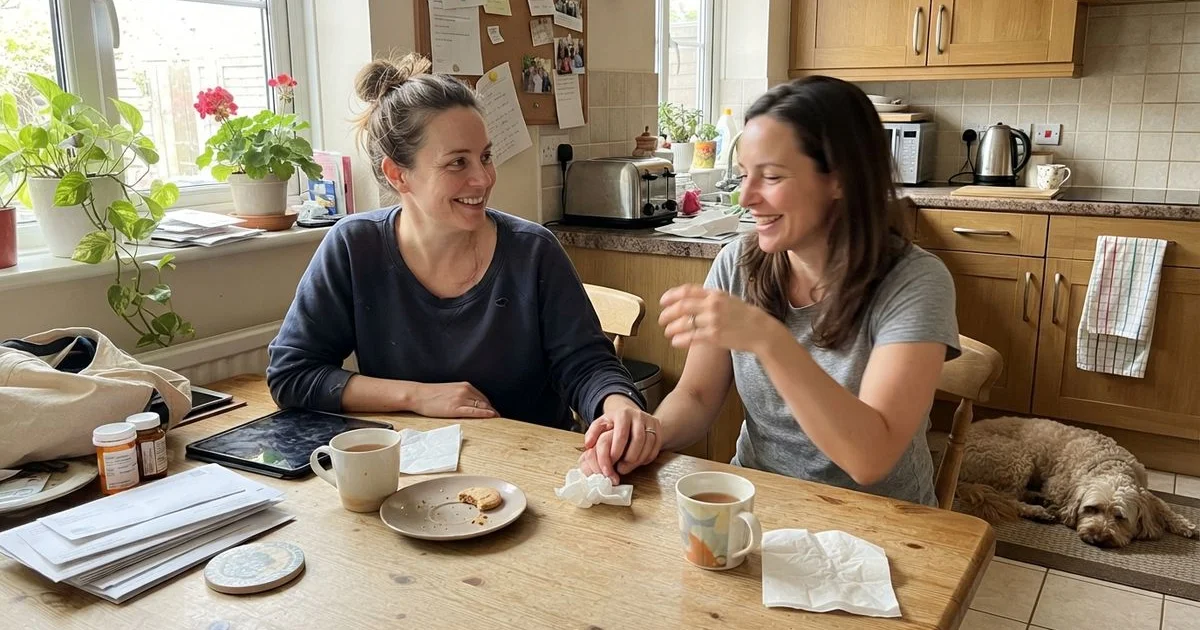
Breast reconstruction after mastectomy involves both a physical recovery and a set of deeply personal decisions. If someone you love is navigating this, the most useful thing you can offer is often not answers, but steady, practical support while she works through choices that are genuinely hers to make.
Understanding the decision she is facing
Reconstruction can happen immediately during the mastectomy surgery or be delayed to a later date, and it can involve implants, a patient’s own tissue (often called a flap procedure), or a combination, depending on her body, her cancer treatment, and her preference. Some patients choose not to reconstruct at all. None of these paths is more correct than another; they depend on factors specific to her diagnosis, treatment plan, and what feels right to her. Your role is not to have an opinion on which path is best, but to support whichever one she chooses.
Practical ways to help
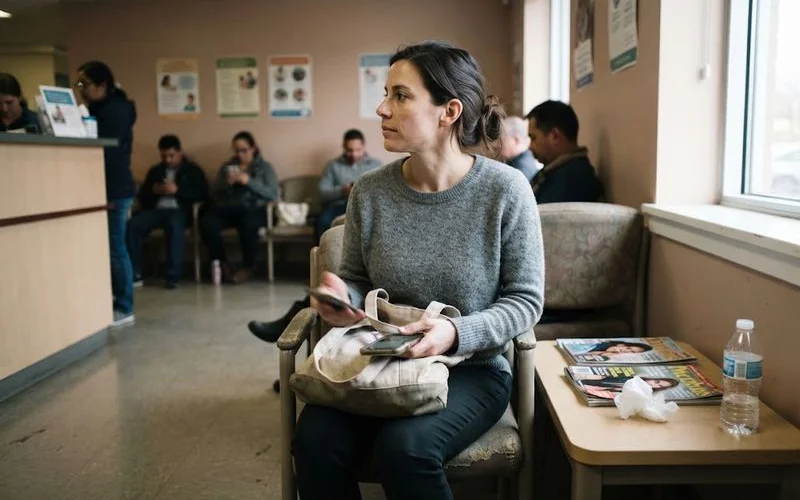
Offering to come to appointments, and then actually letting her lead the conversation with her care team rather than asking questions on her behalf, is one of the more valuable things you can do. Coordinating meals, transportation, and help around the house in the weeks after surgery matters more than most people expect, since recovery often includes lifting restrictions that make ordinary tasks difficult for weeks. If she has other children or dependents, quietly organizing coverage for school runs or care during appointments and early recovery removes a real source of stress.
What recovery can look like
Recovery timelines vary considerably depending on the type of reconstruction. Implant-based approaches often involve a shorter initial recovery than flap procedures, which use tissue from elsewhere in the body and involve healing at two surgical sites. In either case, expect a period of restricted arm movement and lifting, fatigue that can last longer than people anticipate, and a process that is sometimes staged across more than one surgery over months. Checking in without pressure, asking how she is doing rather than how the reconstruction looks, tends to be appreciated more than either topic handled the other way around.
Reconstruction is often a longer process than one surgery
Depending on the method chosen, full reconstruction can involve more than one procedure over several months, sometimes including a later stage for nipple reconstruction or refining symmetry once initial healing is complete. Knowing this upfront helps set expectations that recovery is not a single event to get through, but a longer process with its own milestones. Checking in periodically well after the first surgery, not just in the initial weeks, shows that your support has not quietly faded once the most visible part of recovery is over.
The emotional side matters as much as the physical
A mastectomy and reconstruction, whatever form it takes, is a significant loss and change for many patients, layered on top of a cancer diagnosis and treatment. It is common for feelings about it to shift over the course of recovery, sometimes including relief, grief, and a sense of unfamiliarity with her own body, occasionally all in the same week. Listening without trying to fix or reframe how she feels, and not projecting your own reaction onto her experience, tends to help more than reassurance alone.
Breast reconstruction after mastectomy is one of the few plastic surgery procedures consistently funded through OHIP in Ontario, which can ease some financial pressure during an already difficult period. You can find surgeons who perform reconstructive and hand surgery across Ontario on the directory, each reviewed under the same scoring methodology, to help her research options and questions ahead of appointments.
Respecting her pace
Some people want detailed information about every step of the process; others prefer to focus on what is directly in front of them and would rather not research ahead. Following her lead on how much detail she wants, rather than assuming she wants what you would want in her position, is one of the more meaningful ways to support someone through a process like this. Whatever the procedure, whether it is reconstruction after cancer or a parent weighing eyelid surgery or a facelift, the same principle holds: support the decision that is genuinely theirs to make. If she does want to research together, the directory home page is a reasonable starting point.
This is general information, not medical advice. Her surgical and oncology team are the right source for decisions specific to her diagnosis and treatment.
Questions people ask
- Should reconstruction happen at the same time as the mastectomy?
- Both immediate and delayed reconstruction are common, and the right timing depends on the individual's cancer treatment plan, health, and personal preference. This is a decision for her and her surgical team, and both options are medically valid paths.
- Is breast reconstruction covered by OHIP?
- Yes, breast reconstruction after mastectomy for cancer is consistently funded through OHIP in Ontario, which is different from most other plastic surgery procedures.
- What if she decides not to have reconstruction at all?
- That is a completely valid choice, sometimes called going flat, and it is one some patients make deliberately rather than by default. Supporting her decision, whatever it is, matters more than any specific outcome.
- How can I help without being overbearing?
- Ask what kind of help she actually wants rather than assuming, whether that is practical support like meals and rides, or simply someone to sit with her at appointments and let her lead the conversation.